

Table of Contents Show
Why High-Quality Traffic Matters
Welcome to the world of e-commerce! If you own a Shopify store, you know that traffic is the lifeblood of your business. But here’s the crucial truth: not all traffic is created equal.
The goal isn’t just to see a high visitor count; it’s to bring in high-quality traffic that converts into paying customers and, more importantly, loyal fans. A massive spike in traffic from the wrong audience is often just a waste of time and server resources.
To succeed, you need a smart strategy. You’ll need to decide on the right mix of organic growth (free, sustainable) and paid advertising (fast, but costly) that works for your Shopify store. This playbook will show you five proven ways to
Understanding Organic Traffic and Your Shopify Store
The best brands don’t solely rely on expensive ads. They build a powerful digital footprint that customers naturally discover. This is the essence of organic traffic—free, sustainable, and highly targeted when done right.
To optimize your organic growth, you must understand your audience and their journey. Ask yourself these key questions:
- What search terms (keywords) are genuinely bringing people to my Shopify store?
- How do visitors interact with my site (what pages do they view, how long do they stay)?
- How well is my Shopify store performing in search rankings for core products?
Understanding these factors allows you to create a robust traffic strategy that converts.
Executive Summary
This Shopify store playbook details 5 proven strategies to acquire high-converting traffic, focusing on quality over quantity. Success relies on long-term assets like SEO and trust-based Referral Programs. Modern tactics include leveraging Influencers and Instagram DM Automation for engagement, paired with highly segmented Email Marketing for retention. Implement these combined organic strategies to ensure your Shopify store achieves sustainable, profitable growth.
The 5 Proven Tips to Skyrocket Your Shopify Store Traffic
Tip #1: Leveraging Astonishing Referral Programs
Referral programs are one of the most powerful strategies for driving targeted traffic. They rely on the trust that already exists between your current customers and their friends—meaning the traffic you receive is pre-qualified and highly likely to convert.
The key metrics for success are referral traffic (how many people clicked) and completed referrals (how many people bought).
Classic Example: When PayPal first launched, they faced high customer acquisition costs. They solved this by offering a simple, yet brilliant, referral program: $10 for the new customer and $10 for the existing customer who made the referral. Their growth became exponential, demonstrating the immense power of incentivized word-of-mouth.
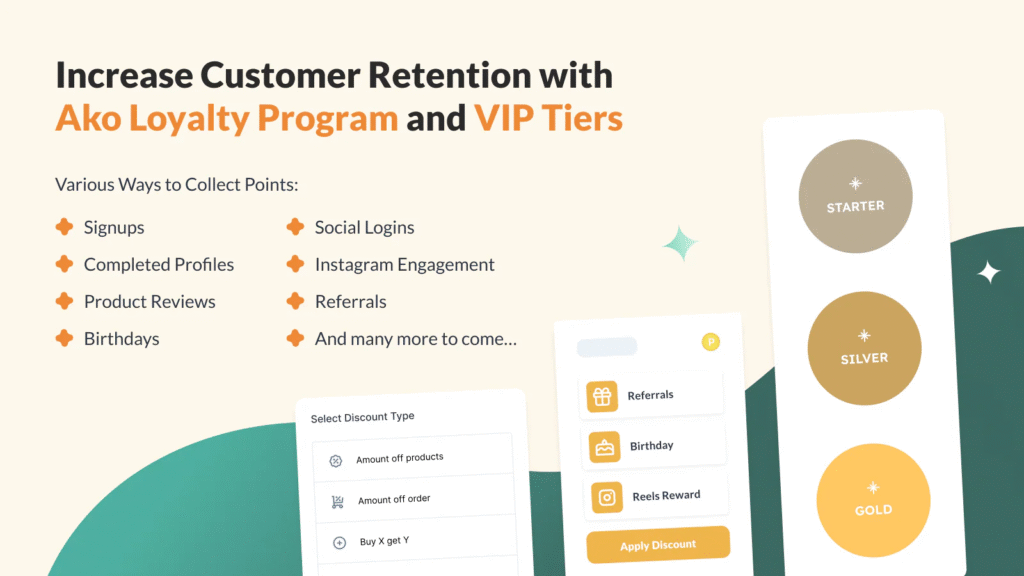
For your Shopify store, tools like Akohub can streamline the entire process, from creating unique referral links to tracking and rewarding successful referrals automatically.
Maximizing Essential SEO Strategies for Your Shopify Store
Search Engine Optimization (SEO) is an investment in your Shopify store’s long-term visibility. Unlike paid ads or temporary promotions that fade, SEO provides long-term, sustainable growth.
The biggest mistake is chasing short-term gains and neglecting the foundation of loyalty and organic discovery.
What You Need to Do for Your Shopify Store SEO:
- Build High-Quality Backlinks: Get other reputable websites to link back to your store (e.g., product reviews, mentions).
- Write a Shopify Blog: Create valuable content around your niche using relevant keywords.
- Focus on Long-Tail Keywords: Target specific, less competitive phrases (e.g., “organic cotton t-shirt for sensitive skin”) to capture highly motivated buyers.
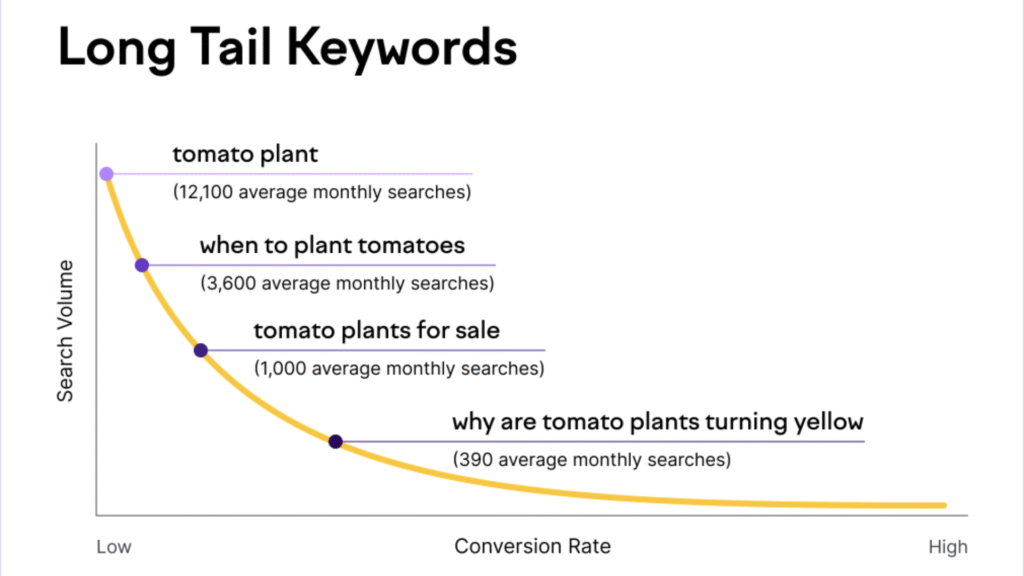
Specialized services like Originals Marketing can help optimize your on-page elements and improve rankings, ensuring your Shopify store shows up exactly when potential customers are searching.
Collaborating with Influencers for Authentic Reach
Traditional marketing is costly and often ignored. That’s why many smart merchants are leveraging influencer collaborations to drive genuine awareness, engagement, and sales for their Shopify store.
The most impactful (and cost-effective) strategy is encouraging User-Generated Content (UGC). When real customers or micro-influencers authentically showcase your product, it builds immense social proof and credibility.
| Metric | Return on Investment (ROI) |
| Brand Awareness | Over 70% of marketers see it as highly effective. |
| Sales ROI | Brands typically see a $5.20 return for every $1 spent. |
| Customer Loyalty | Customers engaging with influencer content make repeat purchases 23% faster. |
Platforms like Tagshop make it easy for your Shopify store to collect and showcase that valuable UGC right on your product pages, boosting conversions instantly.
Utilizing Instagram DM Automation to Boost Engagement
In the world of social media, small engagements can lead to significant impact. Instagram DM automation is a powerful tool that streamlines communication, improves customer experience, and drives conversions for your Shopify store.
The Benefits of Automated DMs:
- Instant Responses: Followers get timely, personalized interactions, improving satisfaction.
- Seamless Experience: Minimal friction encourages users to stay engaged.
Solutions like Akohub take this a step further by enabling you to send shoppable DMs—guiding followers directly from an Instagram chat to your checkout page at the exact moment of interest, thus increasing conversion rates.
Implementing Effective Email Marketing with Personalization
Email marketing remains an essential and top-performing strategy for personalized engagement and high ROI. However, you must move beyond generic messaging.
Platforms like Klaviyo enable advanced segmentation based on customer behavior (browsing history, past purchases, engagement patterns). This allows your Shopify store to send hyper-personalized emails that are highly relevant, increasing open rates and conversions.
When Klaviyo is integrated with tools like Akohub, you can leverage your segmentation data to automatically send exclusive rewards and loyalty incentives via email, significantly enhancing retention for your Shopify store.
Your Path to High-Converting Shopify Traffic
Ultimately, the key to success for your Shopify store isn’t about chasing fleeting trends; it’s about attracting the right customers who are most likely to convert and stick around.
By wisely combining these strategies—from the long-term investment of SEO and the powerful trust of Referral Programs, to the modern engagement of DM Automation and the personalized touch of Email Marketing—you can build a sustainable, profitable engine for growth. Focus on value, quality, and targeting, and watch your sales soar!
Frequently Asked Questions (FAQs)
1. What is the difference between organic traffic and paid traffic for a Shopify store?
Organic traffic refers to visitors who find your Shopify store naturally through unpaid search results (like Google SEO), social media, or direct links. Paid traffic comes from campaigns where you pay per click or impression, such as Google Ads or Facebook Ads. Organic traffic is sustainable and free, while paid traffic is instant but requires continuous spending.
2. How quickly can I see results from SEO on my Shopify store?
SEO is a long-term investment. While some on-page changes may show quick improvements, seeing significant results and top rankings (especially for competitive keywords) typically takes 3 to 6 months or more. It requires consistent effort in content creation, technical optimization, and backlink building.
3. Which is more effective: a Referral Program or Influencer Collaboration?
Both are highly effective, but they serve different goals. Referral Programs leverage existing customer trust and are excellent for driving high-converting, repeat purchases. Influencer Collaborations are better for massive brand awareness and reaching new, cold audiences quickly. A smart strategy uses both simultaneously.
4. Is Instagram DM Automation safe for my Shopify store’s reputation?
Yes, when used correctly. Effective DM automation focuses on personalized, instant responses and guiding users to resources (like shoppable links), improving the customer experience. Automation only becomes detrimental if it feels spammy or ignores real customer service issues.
5. Why is email marketing still relevant when we have social media?
Email marketing remains crucial because it gives you direct ownership of your communication channel, unlike social media platforms where algorithms control visibility. Emails allow for deep segmentation and hyper-personalization, making it the most effective channel for customer retention and maximizing Customer Lifetime Value (CLV).


